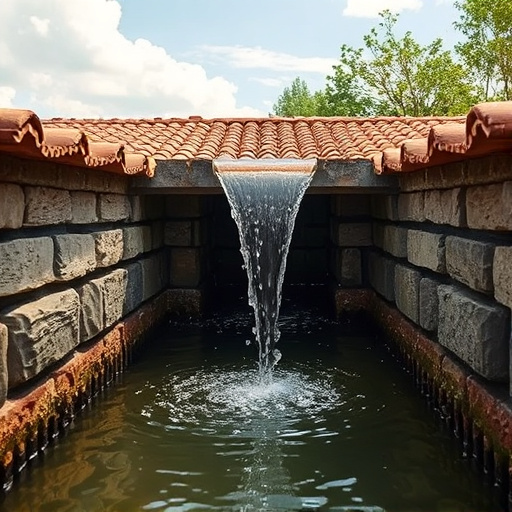
In the world of roofing, flat roofs have gained popularity for their sleek, modern aesthetic, especially in the vibrant, sun-drenched landscapes of systems compared, like Oro Valley. However, these flat surfaces present unique challenges for leak prevention, a critical aspect of any roof's lifespan and overall home integrity. The problem intensifies when rooftop equipment, from HVAC curbs to satellite dishes, is improperly installed or maintained, often leading to costly and damaging leaks. This article examines the science behind flat roof leaks, exploring the specific challenges posed by equipment placement and offering practical, actionable solutions to safeguard your roof from potential water intrusion, including the strategic use of flat roof skylight curbs.
- Understanding Flat Roof Leaks: Common Causes & Prevention
- Choosing the Right Skylight: Compatibility & Waterproofing
- Installation Best Practices: Secure, Water-Tight Solutions
- Maintenance & Inspection: Catching Problems Early
Understanding Flat Roof Leaks: Common Causes & Prevention
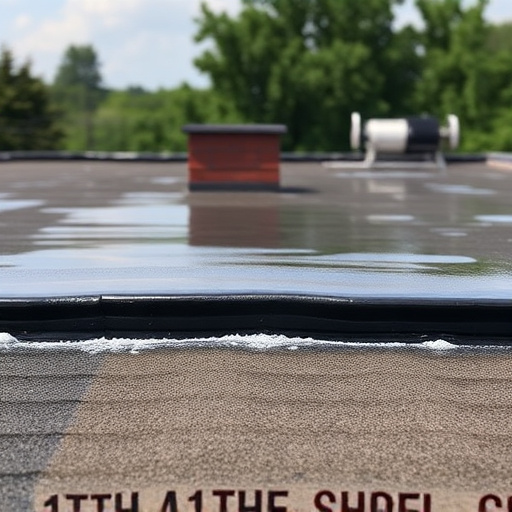
Flat roof leaks can be particularly challenging to detect and repair due to the unique characteristics of flat roofs. Understanding the common causes of these leaks is the first step in preventing them. One of the primary culprits is thermal expansion and contraction, especially in areas with significant temperature fluctuations, like the Oro Valley region. Flat roofs, often made of materials like modified bitumen or TPO, expand and contract with heat, causing seams and joints to stress and fail over time.
Another frequent issue involves canaless and scuppers, which direct rainwater away from the building. Debris buildup or clogs in these drainage systems can lead to standing water on the roof, a significant leak culprit. Rooftop HVAC curbs, essential for venting and maintaining comfortable indoor temperatures, can become a problem if not installed or maintained properly. Poor flashing around these curbs may result in water infiltration, especially during the monsoon season, a critical time for leak prevention in Oro Valley.
A local roofing company serving Oro Valley recommends implementing a proactive maintenance plan. This includes regular inspections to identify and address potential issues before they become major leaks. Checking for cracks or splits in the roof membrane, especially around equipment like HVAC units, is crucial. Ensuring proper sealing of all openings, including those for pipes and vents, can significantly reduce leak risks. The use of reflective flat roof coatings can also be beneficial, as they can minimize the impact of thermal expansion and contraction. Regular seasonal checkups, especially during the summer and winter, when temperature extremes are common, are recommended to maintain the roof's integrity.
Choosing the Right Skylight: Compatibility & Waterproofing
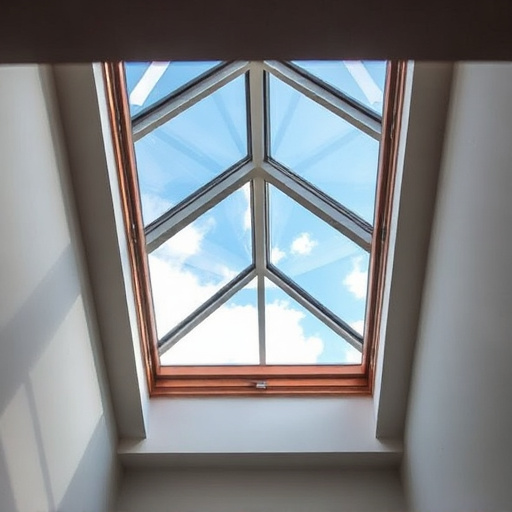
Choosing the right skylight for a flat roof involves careful consideration of compatibility and waterproofing, especially in a climate like Oro Valley's, where intense sun and occasional monsoons can cause significant stress on roofing materials. In this context, a licensed Oro Valley area roofing contractor recommends focusing on skylights with a track record of performance in our region. Modified bitumen, for example, has proven effective in protecting against both UV damage and the pressure of sudden weather changes, a concern particularly relevant to the region's many Pueblo Revival homes, which often feature flat roofs.
When selecting a skylight, pay close attention to the curb design. Flat roof skylight curbs act as a crucial barrier against water intrusion, especially at the point where the skylight meets the roof. Look for curbs made from durable materials like aluminum or stainless steel, which offer superior resistance to corrosion. Proper installation is key; ensure the curb is sealed tightly against the roof surface and the skylight is angled appropriately to prevent standing water. This is crucial, as even minor leaks can cause significant damage over time, not to mention the potential for mold and mildew growth.
Regular maintenance matters in preventing leaks. Inspect your skylight and its curbs at least once a year, checking for signs of wear and tear or loose connections. Addressing issues early can prevent more serious problems down the line. If you notice any water condensation or musty odors, these could indicate a leak that needs immediate attention. Remember, the roofing system is only as strong as its weakest component, and a poorly sealed skylight can compromise the entire flat roof's integrity.
Installation Best Practices: Secure, Water-Tight Solutions
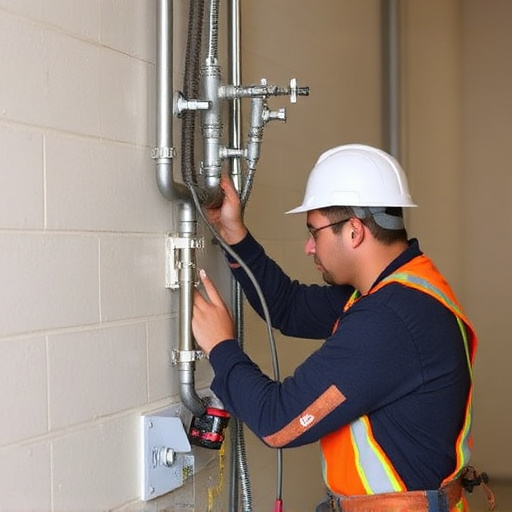
In the context of flat roof maintenance and repair, especially for historic structures like Pueblo Revival homes in Oro Valley, one of the most significant challenges lies in the installation and management of rooftop equipment to prevent leaks. Flat roofs, by their design, require meticulous attention to water-tightness, and the equipment installed on them must be secure and well-maintained. Consider the common issues faced by homeowners: standing water on the roof, cracks and splits in the membrane, and blisters on the surface. These problems often arise from improper installation or lack of regular upkeep.
For installing or replacing rooftop equipment, such as HVAC curbs and skylight curbs, the process demands careful consideration. A licensed Arizona roofer will recommend using a built-up roofing method for flat roofs, which involves multiple layers of material to ensure a robust, water-resistant barrier. This technique is particularly effective for TPO membranes, a popular choice for its durability and low maintenance requirements. However, the success of this installation depends on proper flashing and scupper design to divert water away from the building's structure. Improperly designed or installed curbs and flashing can lead to water tracing its way into the building, causing damage to the interior and structure.
Regular seasonal checkups are crucial to identifying these issues early. Walking safely on flat roofs, especially during the monsoon season, allows for the inspection of roof drains and debris accumulation. A well-designed flat roof maintenance plan should include these checks, along with repairs for any visible cracks or splits. A flat roof with a reflective coating can be more effective in managing heat damage, but it also requires extra care during recoating to ensure the new layer adheres properly. The budget planning process should account for these regular maintenance needs to avoid costly repairs later, such as a full tear-off versus a repair and recover option. By implementing these best practices, homeowners can extend the lifespan of their flat roofs and avoid the expense and hassle of leaks.
Maintenance & Inspection: Catching Problems Early

Regular maintenance and inspections are crucial in preventing flat roof leaks, especially when there are various rooftop components involved. Flat roofs often house critical systems like HVAC units, satellite dishes, and skylights, each requiring specific care. Flat roof skylight curbs, while enhancing natural light, must be properly sealed and maintained to avoid water infiltration.
A roofing contractor serving Oro Valley and Marana recommends implementing a proactive maintenance plan. This involves regular checks for signs of damage, such as cracks, splits, or blisters in membranes like modified bitumen or TPO. Spray polyurethane foam (SPF) can be an excellent insulator, but it needs to be applied correctly and maintained to prevent moisture buildup, which could lead to leaks. Another common issue is debris accumulation, blocking drains and scuppers, so keeping these areas clear is essential.
During inspections, pay special attention to areas with potential for water standing, such as low-sloping patios or around HVAC curbs. These spots can be prone to leakage if not addressed. Check for the integrity of coping and caps, ensuring they are secure and undamaged. Regular maintenance also includes inspecting the condition of crickets and saddles, which help in directing water flow, preventing it from pooling and causing damage. By conducting these checks, especially during seasonal changes, homeowners can catch potential issues early, saving them from costly repairs and ensuring their flat roof remains in top condition.
Frequently Asked Questions About an explainer on keeping rooftop equipment from causing flat roof leaks
What causes flat roof leaks? Flat roof leaks are often caused by a variety of factors, including aging and weathering of the roofing materials, improper installation or maintenance, and damage from extreme weather conditions. Weak spots can form around rooftop equipment like vents, pipes, and AC units, leading to water penetration and eventual leaks.
How can I prevent leaks around rooftop equipment? To minimize the risk of leaks, ensure proper flashing and sealing around equipment. Use high-quality, flexible membranes or shingles that can withstand the elements. Regular inspection and maintenance by a licensed roofer can also help identify and address issues before they lead to leaks. Keep the area around the equipment clear of debris to prevent damage and ensure adequate ventilation.
What is the best material for roofing membranes? The choice of roofing membrane depends on the specific needs and climate of your location. Common options include EPDM (ethylene propylene diene monomer), TPO (thermoplastic polyolefin), and PVC (polyvinyl chloride). Each has its advantages, such as durability, flexibility, and resistance to UV damage, but they all require proper installation and maintenance to prevent leaks.
How often should I inspect my roof for leaks? Regular inspection is crucial, especially in regions with extreme weather conditions. It's recommended to have a licensed roofer perform a thorough inspection at least once a year, or more frequently in areas prone to severe storms, hail, or high winds. During these inspections, the roofer can also address any issues that may lead to leaks.
Can I fix a leak myself or do I need a professional? Small leaks can sometimes be repaired by homeowners using sealants and patches, but for larger or complex leaks, it's best to consult a professional roofer. They have the specialized knowledge and tools to identify the source of the leak and make the necessary repairs, ensuring the long-term integrity of your roof.
What should I do if I suspect a leak? If you suspect a leak, begin by checking for water stains or dripping in the attic or on the ceiling. Trace the source of the water to the potential leak point, such as a rooftop vent or pipe. If you're unable to locate or fix the issue yourself, contact a local roofing contractor for an inspection and repair. Prompt action can prevent further damage to your home.
As we've explored the multifaceted world of flat roof maintenance, a clear picture emerges: proactive care and meticulous installation are key to preventing leaks. By understanding the common causes, such as aging materials, improper drainage, and poor installation practices, we can implement effective solutions. Choosing the right materials, like TPO or modified bitumen, and ensuring compatibility with existing systems, is crucial. Installation best practices, including secure fastening and thorough waterproofing, create a robust defense against leaks. Regular maintenance and seasonal inspections further strengthen this defense, allowing for early detection and repair of issues like cracked membranes, blisters, or standing water.
Flat roof skylight curbs play a vital role in maintaining a water-tight seal, and their proper installation and regular inspection are essential. By adopting these practices, homeowners and property managers can extend the lifespan of their flat roofs, avoid costly repairs, and ensure the integrity of their buildings, especially in weather-prone areas like Oro Valley. The insights gained from this article equip readers with the knowledge to make informed decisions, ensuring their flat roofs remain leak-free and reliable for years to come.
Flat roofs in Oro Valley face unique challenges like thermal expansion, debris buildup, and equipment installation, making leak prevention critical. Key issues include:
- Thermal Expansion: Seams and joints stress over time, especially in temperature extremes.
- Debris Buildup: Clogs in canaless and scuppers lead to standing water and leaks.
- Equipment Installation: Improper HVAC curb and skylight curb installation can cause water infiltration.
Preventative Measures:
- Regular inspections to check for cracks, splits, and debris accumulation.
- Proper sealing of openings and use of reflective coatings for thermal control.
- Seasonal checkups during temperature shifts.
- Selecting durable equipment and curbs for skylights.
- Maintaining equipment and addressing issues early to avoid major leaks.