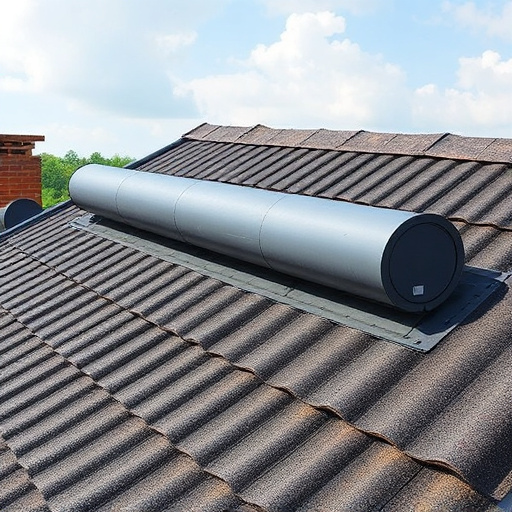
In the Oro Valley area, flat roofs are a popular choice for their low-maintenance and energy-efficient design. However, these roofs demand meticulous care to prevent leaks, a common and costly problem. Rooftop equipment, from HVAC curbs to satellite dishes, can introduce weaknesses that lead to standing water, cracks, and membrane blisters, ultimately compromising the roof's integrity. This article provides a practical guide to maintaining a leak-free flat roof, focusing on preventing damage from equipment installations. We'll explore practical strategies for flat roof budget planning, seasonal checkups, safe walking protocols, and effective maintenance techniques to ensure your Oro Valley roof remains sound for years to come.
- Understanding Flat Roof Vulnerability to Leaks
- Assessing Equipment Needs: A Budget-Driven Approach
- Correct Installation: Key to Preventing Water Intrusion
- Regular Maintenance: Your Long-Term Defense Against Leaks
Understanding Flat Roof Vulnerability to Leaks
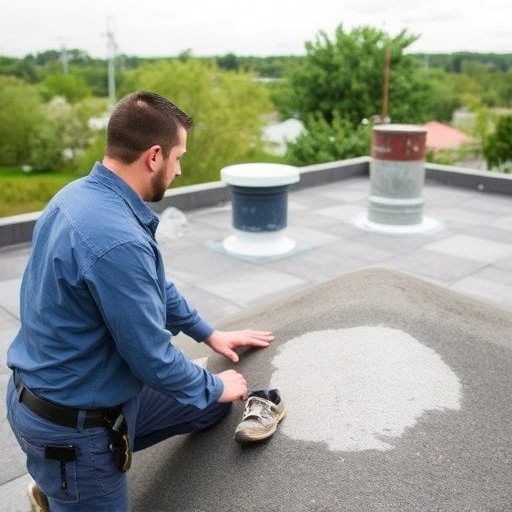
Flat roofs, while aesthetically pleasing, present unique challenges for leak prevention. Oro Valley's climate, with its intense sun and occasional monsoons, accelerates the natural deterioration of roofing materials. Unlike pitched roofs, the flat surface offers less slope for water runoff, increasing the risk of standing water and pooling. This is particularly problematic as thermal expansion and contraction due to temperature fluctuations can create cracks and splits in the membrane.
The most common sources of flat roof leaks include inadequate drainage systems, poor installation practices, and outdated or damaged materials. Scuppers and coping, designed to channel water away from the building, often become blocked or disconnected, leading to water accumulation. Debris buildup, especially after storms, can obstruct gutters and downspouts, causing water to back up and find its way into the roof structure. An experienced Oro Valley roof specialist recommends seasonal checkups to inspect these components and ensure proper drainage.
Flat roof maintenance involves a proactive approach to leak prevention. Regular cleaning and inspection are crucial, especially in areas prone to heavy debris fall. Repairing or replacing worn-out or missing scuppers and coping is essential, as they play a vital role in directing water flow. When planning a flat roof budget, Oro Valley homeowners should consider the cost of these repairs and replacement parts, such as membranes and flashing, as part of their long-term maintenance strategy. The ability to identify and address issues early can save significant time and money, preventing minor problems from escalating into costly repairs.
Assessing Equipment Needs: A Budget-Driven Approach

When planning a budget for your flat roof, assessing equipment needs is crucial. This involves considering the specific demands of your structure, local climate, and long-term goals. A historic Pueblo Revival home in Oro Valley might necessitate unique coping solutions and aesthetic considerations that a modern commercial building wouldn't.
One key component to evaluate is the type of roofing system. Modified bitumen, TPO, built-up roofs, and roll roofing all have distinct maintenance and cost profiles. TPO roofs are popular for their durability, low maintenance, and cost-effectiveness, while built-up roofs might be more suitable for extreme weather conditions but can be more expensive to install and maintain. A licensed Arizona roofer can guide you in choosing the best system for your needs, balancing factors like slope design, scupper and canal repair, and seasonal checkups.
Flat roof budget planning also involves accounting for equipment that goes beyond the roofing itself. Consider the need for insulation, reflective coatings for energy efficiency, HVAC curbs and flashing, and debris drains. Spray polyurethane foam, for instance, can be an excellent insulator and a cost-effective solution for flat roofs, but it requires professional installation. Similarly, coping and caps for parapets, while enhancing the building's aesthetic, must be chosen with functionality and safety in mind, especially in areas prone to heavy winds or debris.
A strategic approach to flat roof budget planning includes prioritizing equipment that addresses your specific needs, climate challenges, and long-term sustainability. This may involve consulting with experts, reviewing local building codes, and understanding your home or building's unique characteristics. In Oro Valley, where monsoon season brings intense heat and strong winds, proper ventilation, water management, and resilient materials become paramount. By balancing these factors, you can create a robust flat roof system that minimizes the risk of leaks and maximizes its service life.
Correct Installation: Key to Preventing Water Intrusion
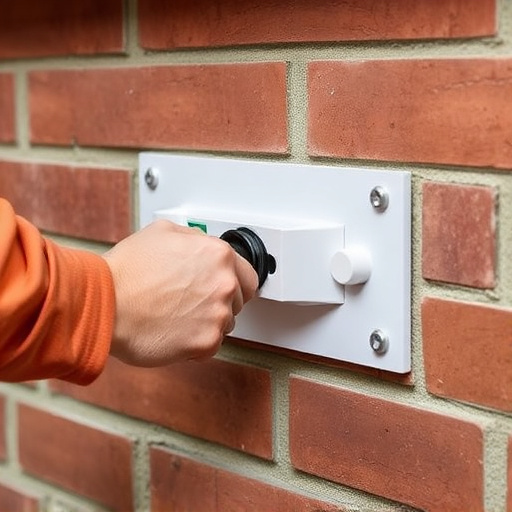
The correct installation of rooftop equipment is a crucial step in preventing flat roof leaks, which can be a significant concern for Oro Valley homeowners. When installed haphazardly or with subpar materials, these components can create entry points for water, leading to costly and damaging leaks. Let's examine the key aspects of installation that can safeguard your flat roof from such intrusions.
Consider the critical role of proper flashing and sealing around ventilation pipes, HVAC units, and other equipment. In many cases, these openings are the first points of weakness, as water can infiltrate along the edges, especially during heavy rainfall or snowmelt. A local roofing company serving Oro Valley recommends using high-quality, flexible materials like silicone coating for these seals, as it offers superior resistance to extreme weather conditions and can accommodate the slight movements of the roof structure. This is particularly important with parapets, which often require special attention. Properly installed parapets with adequate support act as a crucial barrier, preventing water from running directly onto the roof deck.
Another common culprit for leaks is inadequate or improper drainage systems. Canalets, for instance, must be designed and installed to direct water flow away from the roof structure. Debris buildup or clogs in these channels can cause standing water, creating the perfect conditions for leaks. Regular cleaning and maintenance, along with the use of reflective flat roof coatings, can mitigate this risk. A well-planned and executed roof drainage system, which includes scuppers and downspouts, ensures that water is efficiently diverted, reducing the load on the roof and lowering the risk of damage.
When planning a flat roof budget, it's essential to allocate funds not just for initial installation but also for regular maintenance. This includes seasonal checkups to inspect for any signs of damage or wear, as well as addressing issues like cracks and splits in the roof membrane promptly. A proactive approach to maintenance can significantly extend the lifespan of your flat roof and prevent costly repairs down the line. Remember, the key to a leak-free flat roof lies in meticulous installation and continuous care.
Regular Maintenance: Your Long-Term Defense Against Leaks
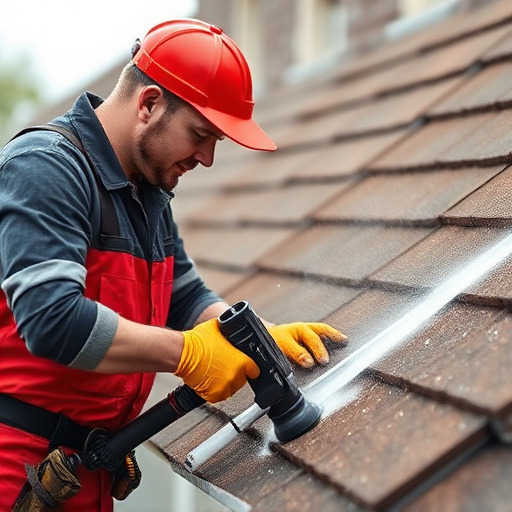
Regular maintenance is a crucial, often overlooked, defense against flat roof leaks in Oro Valley homes, particularly those with complex rooftop equipment. The Oro Valley Building Department emphasizes that proactive care can extend the lifespan of your flat roof, saving you from costly repairs and replacement. One of the most effective ways to prevent leaks is by addressing the points where equipment meets the roof, areas that are especially vulnerable to damage from weather and wear.
Consider the common culprits: rooftop HVAC curbs, satellite dish installations, and parapet walls. These components require regular inspection and sealing around their perimeters to prevent water intrusion. Over time, caulk can crack and deteriorate, allowing water to seep in and corrode the roof deck. DC Roofing of Arizona, a local expert in flat roof services, recommends examining these areas for signs of damage or wear, re-caulking as needed, and replacing any worn parts.
Focusing on the roof's overall condition during seasonal checkups is vital. The Arizona Weather Service notes that monsoon season can be particularly challenging for flat roofs, as intense heat and sudden storms can cause stress and damage. A thorough inspection should include checking for cracks, splits, blisters, and standing water, all of which are indicators of potential leak points. Implementing a regular maintenance plan, including these checks, will help you catch issues early, ensuring a sound defense against costly leaks and promoting the longevity of your roof, especially in the challenging Catalina Foothills climate.
Frequently Asked Questions About an explainer on keeping rooftop equipment from causing flat roof leaks
What is the most common cause of flat roof leaks?
The most prevalent cause of flat roof leaks is inadequate sealing around rooftop equipment such as vents, pipes, and satellite dishes. Over time, these areas can become vulnerable to penetration from rainwater, leading to persistent leaks. This is particularly true for older installations where caulk or sealant may have deteriorated, or for equipment that wasn't properly secured or sealed to begin with.
How can I prevent leaks around rooftop equipment?
To prevent leaks, ensure all rooftop equipment is securely fastened and sealed. Use high-quality, weatherproof sealant or caulk specifically designed for roofing applications to create a tight seal around pipes, vents, and other fixtures. Regular inspection and maintenance, including reapplication of sealant as needed, are crucial. Consider using flashing-a secondary barrier-around equipment for extra protection.
What is flashing and why is it important?
Flashing is a thin, flexible layer of waterproof material that covers the gap between a roof surface and a roof penetration, like a pipe or vent. It acts as a secondary defense against leaks by providing an additional barrier where water could potentially enter. Properly installed flashing is vital for maintaining a dry roof system, preventing water damage, and extending the lifespan of your roof.
Should I address leaks immediately or can they wait?
Leak repair should never be postponed. Even a seemingly small or intermittent leak can cause significant damage over time. Moisture can weaken the structure, leading to larger leaks, mold growth, and rot. Addressing leaks promptly helps protect your investment, prevents extensive repairs, and ensures your home remains safe and dry.
Can DIY methods effectively seal rooftop equipment?
While some DIY methods can offer temporary solutions, effectively sealing rooftop equipment often requires professional expertise. Improperly applied sealant or caulk can create more problems than it solves. A licensed roofer has the tools, knowledge, and experience to ensure a proper, lasting seal, protecting your roof from future leaks.
How often should I inspect my roof for leaks?
It's recommended to have your roof inspected at least once a year, especially in regions with harsh weather conditions. Regular inspections can help identify potential problems early, making repairs less costly and extensive. Look for signs of moisture, discolored spots, or missing or damaged shingles, and always address any concerns promptly.
Who should I contact if I suspect a leak?
If you suspect a leak, contact a licensed, experienced roofing contractor like DC Roofing of Arizona. They have the tools and expertise to diagnose the problem, locate the source of the leak, and provide effective solutions to protect your home.
By addressing the vulnerabilities of flat roofs and implementing strategic measures, homeowners can significantly reduce the risk of leaks. Key takeaways include the importance of correct installation, regular maintenance, and budget-driven equipment selection. Understanding that flat roofs are particularly susceptible to water intrusion, especially during monsoon seasons, the article highlights the need for meticulous planning and execution.
Proper installation of rooftop equipment, from solar panels to HVAC curbs, is crucial in preventing standing water and other issues that lead to leaks. Regular seasonal checkups and maintenance, including tracing water sources and fixing scuppers and drains, are essential for long-term defense against water damage. Planning for flat roof budget planning is vital; by considering all aspects of maintenance, repair, and replacement up front, homeowners can avoid costly surprises.
Maintaining a flat roof involves a combination of proactive measures and strategic spending. The article's insights empower homeowners and property managers to make informed decisions, ensuring their roofs remain leak-free and extending the life of their investment.
Flat Roof Leaks Prevention & Budget Planning in Oro Valley
Oro Valley's climate demands robust flat roof maintenance to prevent leaks. Common issues include inadequate drainage, poor installation, and outdated materials. Regular cleaning, inspections, and repairs are crucial, especially after storms. Key components to budget for include scuppers, coping, insulation, and reflective coatings. A strategic approach involves assessing specific building needs, choosing durable materials, and prioritizing proper ventilation and water management. Regular maintenance, especially seasonal checkups, is vital to catch issues early and extend the roof's lifespan. Allocate funds for proactive care to avoid costly, unexpected repairs.