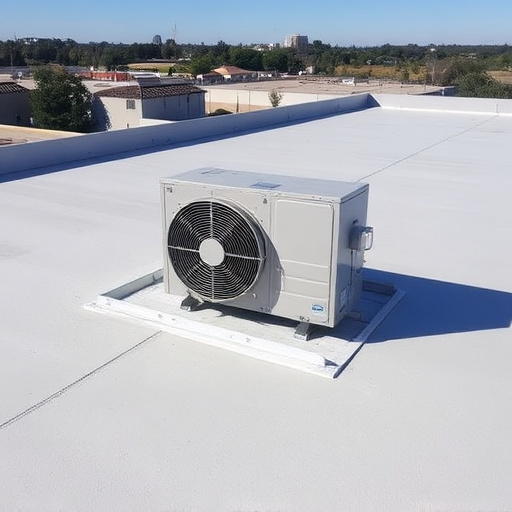
In today's modern architecture, flat roofs on contemporary homes have become a popular choice, offering sleek designs and efficient space utilization. However, understanding the factors that influence flat roof costs is crucial for homeowners, especially when dealing with complex repairs or replacements. The complexity of flat roof systems, varying materials, and regional weather patterns all play a significant role in determining price. This article cuts through the confusion, providing a clear, practical guide to help you comprehend the cost drivers and make informed decisions about your Oro Valley home's roof. We'll explore the intricacies of flat roof pricing, ensuring you're equipped to engage with professionals and manage your investment effectively.
- Understanding Flat Roof Materials and Their Costs
- Installation Factors: Complexities of Flat Roofs
- Maintenance and Longevity: What You Pay For
- Local Regulations and Permits: The Hidden Expense
Understanding Flat Roof Materials and Their Costs
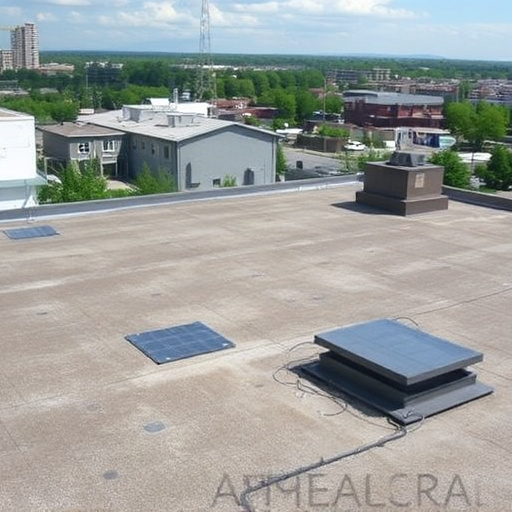
Flat roofs on contemporary homes present a unique set of considerations for understanding their material costs. The choice of roofing material significantly impacts both the upfront investment and the long-term maintenance budget. Let's examine the various flat roof materials, their characteristics, and the price points one can expect.
In Oro Valley, the climate plays a crucial role in material selection. During monsoon seasons, a roofing material's resistance to heavy rainfall and potential for water damage becomes paramount. Modified bitumen, a popular choice for flat roofs, offers excellent durability and is designed to withstand the region's weather conditions. This material is applied in multiple layers, creating a robust barrier against the elements. The cost of modified bitumen can vary based on the number of layers and the underlayment used, typically ranging from $5 to $10 per square foot. Another factor is the roof's size and complexity; larger, more intricate designs may require additional labor and materials, driving up the overall price.
When considering a flat roof repair or replacement, it's essential to look beyond the initial cost. Factors like roof drains and scuppers, vital for water management, can influence the budget. Well-designed roof drains can prevent standing water, a common issue in low-slope areas, thereby reducing the risk of damage. Properly installed scuppers and coping not only enhance the roof's aesthetics but also contribute to its longevity. A local roofing company serving Oro Valley may offer different pricing structures, such as a per-square-foot rate or a project-based quote, depending on the scope of work.
Insulation is another critical component, especially in contemporary homes with energy-efficient expectations. Flat roofs can be insulated with various materials, each with its price point and performance characteristics. Reflectivity is a key consideration; reflective coatings can reduce heat absorption, lowering cooling costs. However, these coatings come at an additional cost. Planning for a flat roof budget should include these optional but valuable enhancements, ensuring a well-rounded and effective roofing solution.
Installation Factors: Complexities of Flat Roofs

Flat roofs on contemporary homes present unique challenges that can significantly impact installation costs. Unlike pitched roofs with their built-in slope, flat roofs require careful planning and specialized techniques to ensure water runoff, structural integrity, and aesthetic appeal. Several factors come into play when determining the complexity and, consequently, the cost of a flat roof installation.
One of the primary considerations is the choice of membrane or roofing material. Modified bitumen, for instance, is a popular and cost-effective option, offering good durability and a relatively straightforward installation process. However, its performance in extreme weather, like the monsoon rains experienced in our region, can vary. In contrast, TPO (thermoplastic polyolefin) membranes have gained popularity for their superior weather resistance, low maintenance, and long-term durability. While TPO might be more expensive upfront, its performance in challenging climates makes it a smart investment for homeowners. DC Roofing of Arizona, a local expert, often recommends TPO for its ability to withstand the harsh conditions in Oro Valley.
Another complexity arises from the design and slope considerations. Flat roofs require careful design to ensure proper water drainage, especially in low-slope areas. The slope must be optimized to prevent standing water, which can lead to leaks and structural damage over time. The installation of HVAC curbs, skylight curbs, and gutters is crucial to managing water flow and preventing debris buildup. Flat roofs are also more susceptible to damage from foot traffic and heavy loads, requiring careful planning for safe access and reinforcement where necessary.
Finally, the complexity of a flat roof installation can be influenced by the building's unique features and the contractor's expertise. The integration of flat roofs with contemporary architectural styles may demand specialized solutions for aesthetic consistency. Similarly, existing structures with historical or unique design elements may necessitate custom installation methods, adding complexity and potentially increasing costs. Homeowners should consider these factors when budgeting for a flat roof replacement or installation, ensuring they receive a comprehensive and tailored estimate from a licensed contractor like DC Roofing of Arizona.
Maintenance and Longevity: What You Pay For

The lifespan and maintenance costs of flat roofs on contemporary homes can vary widely, influenced by several key factors. Unlike pitched roofs with their slopes and valleys, flat roofs present unique challenges that directly impact longevity and repair expenses. One of the primary considerations is the quality of initial installation, including the type of membrane used, the craftsmanship of the work, and the climate conditions at the time of construction. A well-installed modified bitumen roof with a TPO (thermoplastic polyolefin) top layer in a region without extreme temperature fluctuations may last 25 years or more, whereas the same system in a hotter climate might experience significant deterioration in half that time.
Regular maintenance plays a crucial role in extending the life of a flat roof and preventing costly repairs. Homeowners should budget for annual inspections to identify issues early on, such as cracks, splits, or blisters in the membrane. Prompt attention to these problems can prevent water intrusion and the associated damage to interior finishes and structural elements. A roofer with an Arizona ROC license may recommend inspecting for crickets, canales, and debris buildup, all of which can obstruct drainage and lead to standing water, a primary cause of flat roof damage. Maintaining proper drainage through regular cleaning and ensuring HVAC curbs and flashing are secure and undamaged are essential preventive measures.
Over time, flat roofs on contemporary homes will require repairs or even a complete replacement. The cost of these projects can vary greatly, influenced by the size and complexity of the roof, the type of membrane, and local labor rates. Repairing a small crack might be a relatively inexpensive, quick fix, while replacing an entire flat roof membrane could cost tens of thousands of dollars. Homeowners should consider the long-term investment of a well-planned maintenance schedule to avoid surprise expenses down the line. By understanding these factors and taking proactive steps, homeowners can ensure their flat roofs remain in good condition for years to come.
Local Regulations and Permits: The Hidden Expense

Local regulations and permits can significantly impact the cost of flat roof repairs and replacements on contemporary homes, often surprising homeowners. In Oro Valley, these hidden expenses can vary based on factors like building codes, permit fees, and even the specific neighborhood, such as Rancho Vistoso. A simple permit for a minor repair or replacement can range from $100 to $500, depending on the project's scale and complexity.
When you're considering a roofing project, understanding these local requirements is crucial. Each city and neighborhood has its own set of rules, and a licensed Oro Valley area roofing contractor can guide you through this process. For a flat roof on a contemporary home, the list might include obtaining permits for: scupper and canal repairs, tracing water sources, and ensuring proper flashing around HVAC curbs and skylights. These permits are necessary to ensure the safety and structural integrity of your home, but they add to the upfront costs.
One aspect that often goes unnoticed is the impact of local regulations on materials choices. Using a silicone coating on flat roofs is a popular option for its durability and water resistance. However, in some areas, the use of specific materials or coatings might be restricted due to environmental concerns or local building codes. This could lead to a need for alternatives, which may differ in cost and effectiveness. Homeowners should consult with a local roofing expert who can advise on the most suitable materials and navigate the permitting process, ensuring a safe and compliant roof.
The complexity of the roof design and the need for specialized equipment or techniques can also drive up permit costs. Flat roofs on contemporary homes with unique, territorial styles or intricate parapet walls may require additional considerations. These factors can extend the timeline and budget, further emphasizing the importance of pre-project planning and professional guidance.
Frequently Asked Questions About a Plain Language Look at What Drives Flat Roof Costs
What determines the cost of a flat roof replacement? The cost of a flat roof replacement varies based on several factors, including the size and complexity of the roof, the type of roofing material chosen, labor rates, and any necessary repairs or additional work. A larger roof with multiple slopes or unique design elements will typically cost more than a smaller, simpler flat roof.
How do roofing materials affect the price? Roofing materials are a significant cost driver. Flat roofs commonly use materials like TPO (Thermoplastic Olefin), EPDM (Ethylene Propylene Diene Monomer), or asphalt. Higher-end materials with longer warranties, better durability, and unique features command higher prices. TPO, for example, is often chosen for its flexibility, sealant capabilities, and energy efficiency.
Do labor costs differ for flat roofs? Labor rates vary based on the complexity of the installation and the contractor's experience. Simple, straightforward flat roof installations will have lower labor costs compared to jobs requiring intricate detailing, custom flashing, or repairs to the existing roof. Local labor rates also play a role, with higher costs in urban areas.
What role does the roof's drainage system play? An effective drainage system is crucial for flat roofs. Poor drainage can lead to water damage and leaks. The cost of installing or repairing drainage systems can significantly impact the overall price. Proper drainage involves ensuring adequate gutters, downspouts, and a slope that channels water away from the building.
Are there any hidden costs associated with flat roof replacements? Hidden costs can include permits, inspections, and additional work like flashing repair, deck sealing, or structural reinforcement. Permits are often required for roof replacements, and inspection fees may apply after completion. These costs vary by location and the scope of the project.
How can I get a more accurate cost estimate? For a precise estimate, consult with multiple licensed Oro Valley area roofing contractors. They can provide tailored quotes based on your specific roof requirements. Be sure to ask for references, insurance information, and detailed breakdowns of the costs involved.
Understanding the cost drivers of flat roofs is essential for homeowners and contractors alike, especially when considering the unique challenges and benefits of flat roofs on contemporary homes. By examining materials, installation complexities, maintenance, local regulations, and permits, we gain valuable insights into the full scope of flat roof costs. This knowledge equips property owners to make informed decisions, plan budgets accurately, and ensure their investments in flat roof systems are both substantial and sensible. Moving forward, keeping up with local building codes, prioritizing regular maintenance, and choosing the right materials can significantly impact the longevity and performance of a flat roof. These strategies not only protect the investment but also safeguard against unexpected repairs and costly replacements.
Flat roofs on contemporary homes in Oro Valley require careful consideration of climate, material choices, and local regulations. Costs range from $5 to $10 per square foot for modified bitumen, with larger, more intricate designs driving up prices. TPO membranes offer superior weather resistance, a smart investment for challenging climates. Installation complexity factors include design, water drainage, and existing structural elements. Regular maintenance and inspections extend lifespan, preventing costly repairs. Local permits and regulations, like those in Rancho Vistoso, add hidden expenses. A licensed roofer guides material choices and navigating permits, ensuring a safe, compliant roof.