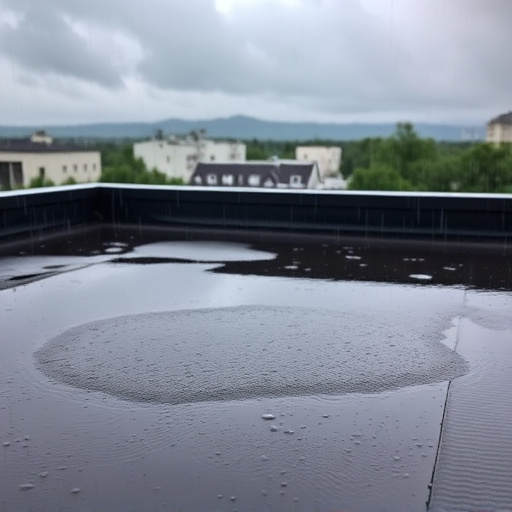
Flat roofs are a popular choice for modern homes in Oro Valley, offering a sleek, low-maintenance design that complements contemporary architectural styles. However, their success depends on proper drainage, scuppers, and canales-key components that prevent standing water, protect against leaks, and ensure the long-term integrity of your roof. This guide addresses a common homeowner concern: flat roof seam failures. We'll examine the causes, symptoms, and effective solutions for this problem, exploring proven drainage strategies, scupper and canal maintenance, and best practices to keep your roof in top condition-all tailored to the specific needs of Oro Valley homes.
- Understanding Flat Roof Drainage Systems
- Scuppers and Channels: Placement and Function
- Preventing Flat Roof Seam Failures
- Maintenance and Troubleshooting Tips
Understanding Flat Roof Drainage Systems
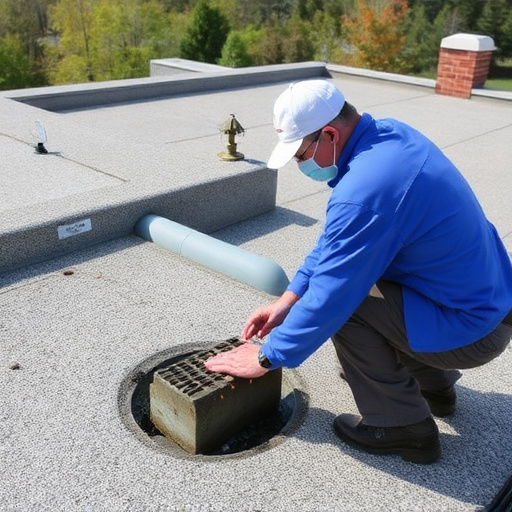
Understanding Flat Roof Drainage Systems is crucial for homeowners in Oro Valley's unique climate, particularly during the intense monsoon rains that sweep through the Catalina Foothills. A well-designed drainage system prevents damage from standing water, heavy rainfall, and even extreme heat, all of which can lead to flat roof seam failures.
The heart of any flat roof drainage system lies in its scuppers and canales. Scuppers, small openings along the roof's edge, allow water to drain off efficiently. In a TPO (thermoplastic polyolefin) membrane roof, scuppers are strategically placed to direct water flow towards the gutters. Canales, or roof drains, collect this flowing water and direct it into downspouts, which then convey the water away from the building's foundation. Properly installed and maintained scuppers and canales are essential to prevent water damage and ensure the longevity of your roof.
A licensed Oro Valley area roofing contractor recommends a multi-step approach to maintaining your flat roof drainage system. This includes regular inspections to check for clogs or debris buildup in scuppers and canales. During these checks, look for signs of wear and tear, such as rusted or damaged metal components. Consider the use of tapered insulation beneath the membrane to enhance drainage performance. This insulation slopes downward, funneling water towards the scuppers and reducing the risk of standing water, a common culprit in flat roof seam failures. By prioritizing these maintenance practices, homeowners can mitigate potential issues, ensuring their roof remains in top condition, even during the most intense monsoon rains.
Scuppers and Channels: Placement and Function

The proper placement and function of scuppers and canales are critical to the health and longevity of a flat roof. These drainage systems, designed to alleviate standing water and prevent pooling, play a significant role in protecting the roof membrane from damage, including the dreaded flat roof seam failures. Scuppers, typically located along the perimeter of the roof, are small openings or outlets that allow rainwater to drain off the surface. Channels, on the other hand, are linear drainage systems that collect and direct water flow away from the building, often leading to scuppers or downspouts.
Effective scupper and canal placement begins with understanding the roof's slope and the building's layout. In Oro Valley, where the climate presents unique challenges, including intense monsoon storms, these systems must be strategically positioned to handle significant water volumes. A roofing contractor serving Oro Valley and Marana recommends that scuppers be placed at regular intervals along the roof's edge, generally no more than 4 to 6 feet apart, to ensure proper drainage. Channels, often made of durable materials like PVC or metal, should be securely attached and sloped to direct water away from the building's foundation.
One common issue with flat roof drainage is pooling orponding water, which can lead to multiple problems, including mold growth, wood rot, and flat roof seam failures. To prevent this, it's crucial to ensure that canales are clear of debris and that scuppers are not obstructed. Regular inspections, especially during seasonal changes, can help identify blockages or damage. Proper ventilation and insulation, as recommended by the Building Department, can further mitigate water-related problems by regulating roof temperatures and minimizing condensation.
Preventing Flat Roof Seam Failures
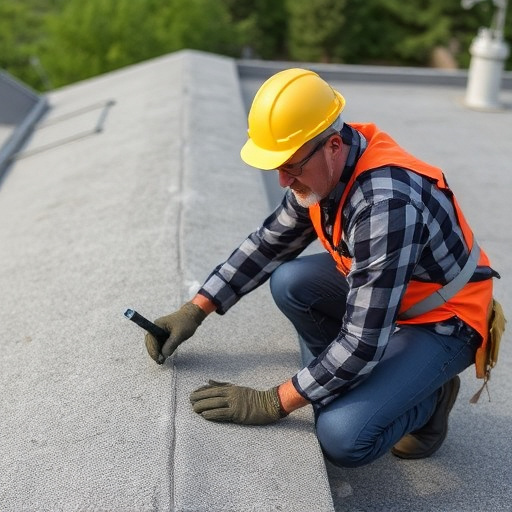
Preventing flat roof seam failures is a crucial aspect of maintaining a healthy and durable roof, especially in the arid climate of the Catalina Foothills, where homes in the Pueblo Revival style often feature these low-sloping roofs. Seam failures can occur due to a variety of factors, including age, UV exposure, and poor installation. Over time, the seals that hold the individual roof panels together can weaken, leading to leaks and significant structural damage.
One of the most effective ways to prevent these failures is through regular maintenance, including a thorough inspection by a licensed Arizona roofer. During these inspections, experts look for signs of cracking, splitting, or blisters in the roof membrane, which could indicate weak spots or potential seam failures. Checking the condition of the scuppers-the drains that collect and direct water off the roof-and the canales, or gutters, is essential. Clogged scuppers and canales can lead to standing water on the roof, accelerating the deterioration of seams and membranes. Regular cleaning and maintenance by professional services can help prevent this.
An important step in preventing seam failures is the application of elastomeric coatings. These advanced coatings form a flexible barrier that shields the roof from the harsh elements, including UV radiation and extreme temperature fluctuations. By sealing the seams and protecting against moisture intrusion, these coatings extend the life of the roof, often by several years. Homeowners in the Oro Valley area, known for its diverse roof styles, should consider this long-term solution for their flat roofs, especially when looking to preserve the aesthetic appeal of their Pueblo Revival homes.
Lastly, proper installation and design play a significant role in minimizing the risk of flat roof seam failures. Working with a roofing contractor familiar with the unique challenges of low-slope roofs in the area can ensure that the right materials and techniques are employed from the start. This includes using high-quality membranes with excellent seam strength and proper flashing around HVAC curbs and skylight openings, common in many Oro Valley homes. By addressing these aspects, homeowners can ensure their flat roofs remain in top condition, protecting their investment and the integrity of their structure.
Maintenance and Troubleshooting Tips

Maintaining a flat roof involves addressing several unique challenges, particularly for drainage, scuppers, and canales. During monsoon rains, these systems can be put under significant stress, leading to potential issues like flat roof seam failures. Scuppers, the small openings designed to drain water from the roof, are crucial for preventing water damage. However, they can become clogged with debris, causing standing water and further complicating matters.
Regular inspection is key to catching these problems early. Homeowners should walk the roof (always with safety in mind) during or after heavy rain to trace water flow and identify any areas where water is pooling. Clogged scuppers or poor drainage can be addressed by clearing debris and ensuring the scuppers are fully functional. A licensed Arizona roofer can assist in cleaning and unclogging drains, as well as inspecting for any signs of damage or weakness in the roof membrane. It's also important to check for the presence of crickets and saddles, which can disrupt the roof's integrity and contribute to water penetration.
Preventive maintenance is vital to mitigating flat roof problems. Regular cleaning, inspection, and repair can extend the life of your roof and avoid costly, unexpected repairs. Applying reflective flat roof coatings can help reduce heat absorption, minimizing damage from extreme temperatures and the associated stress on the roof membrane. Considering the design of the roof's slope can aid in effective drainage. A well-designed roof should have a slope that allows water to flow freely to the scuppers, preventing standing water and the subsequent damage that can result from it, including flat roof seam failures.
Frequently Asked Questions About a Homeowner Guide to Flat Roof Drainage, Scuppers, and Canalization
What is the purpose of a flat roof drainage system?
A flat roof drainage system is crucial for diverting rainwater and melting snow away from your home's foundation, preventing water damage, and prolonging the roof's lifespan. Proper canalization ensures that water flows smoothly and efficiently, protecting against leaks, mold, and structural issues.
How do scuppers work in a flat roof drainage system?
Scuppers are small openings or grates along the edge of a flat roof, designed to allow water to drain while preventing debris from entering. They work in conjunction with the roof's channel system, which collects water and directs it towards downspouts or gutters for safe disposal.
When should I consider replacing my flat roof drainage system?
Regular inspection is key. Look for signs of clogs, rust, leaks, or water damage. If your system shows signs of deterioration, age (typically 20-25 years), or cannot effectively remove water during heavy rainfall, replacement may be necessary. A licensed roofer, like DC Roofing of Arizona, can assess your system and recommend the best course of action.
What materials are commonly used for flat roof scuppers and canalization?
Scuppers and canalization can be made from various materials, including aluminum, stainless steel, and plastic. Aluminum is cost-effective and durable, while stainless steel offers superior resistance to corrosion. Plastic scuppers are lightweight and easy to install, suitable for lighter-weight roofs.
How do I maintain a flat roof drainage system to extend its life?
Regular cleaning and inspection are vital. Remove debris from scuppers and downspouts to prevent clogs. Check for leaks and seal any gaps. Ensure downspouts are properly connected and directed away from your home's foundation. Consistent maintenance can extend your system's life by several years.
What are the benefits of investing in a high-quality flat roof drainage system?
A top-tier system minimizes water damage, prevents mold growth, and keeps your roof's surface clean. It reduces the risk of leaks, extends the roof's lifespan, and can even improve your home's energy efficiency by reducing heat absorption. A well-designed drainage system is a sound investment for any homeowner.
As homeowners, understanding the intricacies of flat roof drainage systems is crucial for maintaining a safe and structurally sound home, especially in our region's unique climate. This article has guided you through the process, from the basics of drainage and scuppers to identifying and preventing common issues like flat roof seam failures. By implementing the maintenance tips provided, you can extend the lifespan of your roof and avoid costly repairs. Moving forward, consider scheduling regular seasonal checkups, addressing standing water issues promptly, and investing in reflective coatings to mitigate heat damage. Remember, proper drainage is key to protecting your investment, so stay vigilant and consult professionals when needed. With this knowledge, you're now better equipped to navigate the world of flat roof care and ensure your home's protection for years to come.
In Oro Valley's climate, flat roof drainage is crucial. Scuppers and canales, the heart of drainage systems, must be strategically placed and maintained to prevent water damage and seam failures. Regular inspections, clearing of debris, and proper ventilation can significantly extend the life of your flat roof. Preventive measures like reflective coatings and careful design can further protect against extreme temperatures and heavy rainfall. Prioritizing these practices ensures your roof remains in top condition, even during intense monsoon rains.