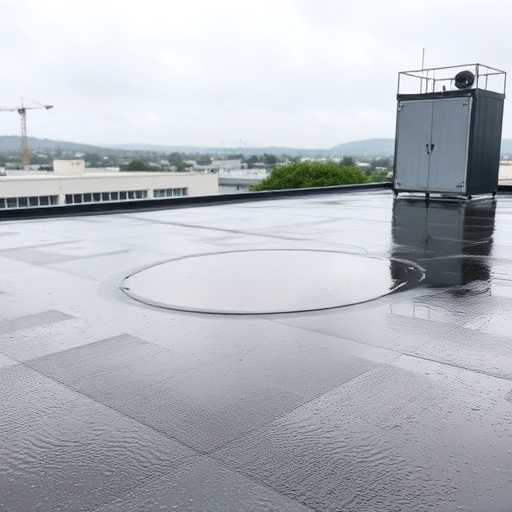
In southern Arizona, flat roofs are both practical and prevalent, especially in the face of the region's arid climate and intense sun. As a crucial component of any building's structural integrity, the choice of flat roof system can significantly impact durability, energy efficiency, and maintenance costs. However, selecting the right system, from modified bitumen roofs to TPO (Thermoplastic Polyolefin), involves understanding the unique challenges posed by the local environment, building design, and regulatory requirements. This article guides Oro Valley homeowners and contractors through these considerations, offering insights into the benefits, drawbacks, and practical applications of various flat roof systems, ultimately helping to ensure long-lasting and effective solutions.
- Understanding Modified Bitumen Roofs in Southern Arizona
- Installation Process: From Prep to Completion
- Advantages and Limitations of Modified Bitumen
- Comparing TPO: An Alternative Flat System
Understanding Modified Bitumen Roofs in Southern Arizona
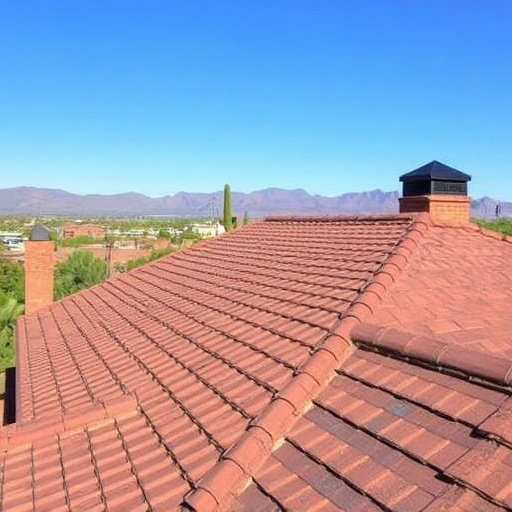
In southern Arizona, modified bitumen roofs have gained popularity among homeowners, particularly in the vibrant community of Oro Valley. This robust roofing system is well-suited for the region's unique climate and architectural styles, such as the iconic Pueblo Revival homes found in the Catalina Foothills. Modified bitumen, a flexible membrane, offers a practical and cost-effective solution for flat and low-sloped roofs, a common feature in many local properties.
The installation process involves laying down a layer of bitumen, a type of asphalt, and incorporating a fabric reinforcement for added strength. This is then covered with a protective topping, which can include reflective coatings for energy efficiency. This system's adaptability is one of its key strengths. It can be applied directly over existing roofs in a process known as recovery, saving time and money for homeowners. Alternatively, new constructions can benefit from the system's roll roofing application, suitable for quick installations on smaller projects or when working with tight spaces.
When considering maintenance, modified bitumen roofs require regular inspection for signs of wear and tear, especially in regions with extreme temperatures. An experienced Oro Valley roof specialist recommends seasonal check-ups, addressing issues like loose or damaged shingles, which could lead to water intrusion. Proper maintenance includes cleaning the roof to prevent debris buildup, ensuring proper drainage, and inspecting for scupper and canal (drainage features) functionality. By addressing these aspects, homeowners can extend the life of their modified bitumen roofs, ensuring they remain reliable and weather-resistant, a critical factor in the harsh Arizona climate.
Installation Process: From Prep to Completion
The installation process for modified bitumen roofs in southern Arizona involves careful preparation and precise execution to ensure longevity and water management, crucial aspects given the region's unique climate. After the Oro Valley Building Department approves the project, the licensed Arizona roofer begins by preparing the roof surface. This includes cleaning to remove debris, algae, and any existing material. The roofer then inspects for damage, cracks, or ponding water, addressing these issues before proceeding.
Next, the roofer installs a layer of underlayment, serving as a secondary barrier against water intrusion and UV exposure. This step is vital for protecting the structure below from potential damage. Once the underlayment is in place, the modified bitumen system itself is applied in rolls, much like roll roofing on low slopes. The roofer carefully seams and laps each roll, ensuring a watertight seal. This method offers a durable, flexible membrane that can withstand the region's weather patterns, including monsoons.
Coping, or capping, matters in finishing the roof edge. The roofer selects appropriate coping based on the building's design, ensuring it complements the territorial style often seen in Oro Valley homes. This step not only enhances the aesthetic appeal but also directs water away from the building, preventing ponding and potential damage. Throughout the installation, the roofer pays close attention to detail, from the placement of HVAC curbs and flashing to the sealing of scuppers and drains. This meticulous process guarantees a roof that not only meets but exceeds industry standards.
Post-completion, a seasonal checkup is recommended to inspect for any signs of damage or blisters, common with membrane materials under intense UV exposure. Regular maintenance, coupled with the roofer's expertise, ensures the modified bitumen roof remains in top condition, providing years of leak-free protection for the homeowner.
Advantages and Limitations of Modified Bitumen
Modified bitumen roofs have long been a popular choice for flat roofs in southern Arizona, particularly in the scenic Catalina Foothills. This robust and versatile system offers several advantages, making it a go-to option for many local homeowners and businesses. One of the key benefits is its durability; modified bitumen is designed to withstand the harsh conditions of the Arizona climate, including intense sunlight and fluctuating temperatures. It's a thick, flexible membrane that can be easily installed and maintained, making it a cost-effective solution for low-slope or flat roofs.
However, like any roofing system, modified bitumen has its limitations. One notable drawback is its potential for membrane blisters and tears, especially in areas with high foot traffic or severe weather. These issues can lead to leaks and water damage, requiring repairs or even a complete roof replacement. To mitigate these risks, proper installation and regular maintenance are crucial. Homeowners should consider an elastomeric coating to enhance the membrane's flexibility and durability. DC Roofing of Arizona, a licensed local contractor, often recommends this extra step for commercial properties in the Foothills to extend the life of modified bitumen roofs.
The lifespan of a modified bitumen roof can vary, generally ranging from 15 to 25 years with proper care. To ensure optimal performance, homeowners should implement a thorough maintenance plan that includes regular inspections and repairs. This involves addressing issues like scupper and canaler repairs, debris accumulation, and seasonal checkups to prevent standing water, which can be a breeding ground for pests and contribute to early deterioration. In the dry climate of southern Arizona, where dust storms are common, regular cleaning and sealing of the roof surface are essential.
When considering a modified bitumen roof or any flat roof system, it's essential to weigh the costs and benefits, especially for contemporary homes in the area. This includes budgeting for repairs and potential replacements, as well as ensuring compliance with local building codes and homeowners association (HOA) regulations. The local Oro Valley Building Department provides guidelines for roof design and installation, and homeowners may need to obtain permits for significant alterations or repairs.
Comparing TPO: An Alternative Flat System
In southern Arizona, homeowners and building managers often face a crucial decision for choosing a flat roof system-especially when considering an alternative to the more traditional modified bitumen roofs. TPO (Thermoplastic Olefin) roofing has emerged as a compelling option, offering a range of benefits tailored to the region's unique climate and conditions. This system stands out for its superior durability, especially under intense UV exposure, which is a significant concern in our area.
Compared to modified bitumen, TPO provides a more efficient installation process. Its flexibility allows for easier shaping and fitting around complex building structures, a benefit when designing flat roofs with unique slopes or integrating rooftop HVAC curbs. TPO's inherent resistance to UV radiation significantly reduces the risk of membrane blisters and cracks, a common issue with modified bitumen roofs over time. This longevity translates to reduced maintenance costs and less frequent repairs, making TPO a cost-effective choice in the long run. A local roofer with an Arizona ROC license might recommend TPO for commercial buildings in Oro Valley, where the system's ability to withstand the intense desert sun is crucial.
When planning a flat roof installation or repair, proper insulation is essential, particularly in structures with low slopes like patios. TPO allows for the use of tapered insulation, which offers both cost efficiency and optimal performance. This versatile system also accommodates the seasonal changes in southern Arizona, from the sweltering summers to the occasional monsoons. Unlike some membrane materials, TPO performs well in varying temperatures, ensuring reliable protection throughout the year. Regular seasonal checkups, including meticulous tracing of water sources and addressing scupper and canal repairs, can help maintain the integrity of a TPO roof, ensuring its longevity and protecting against potential damage from standing water.
TPO roofing offers a compelling package of durability, efficiency, and performance tailored to the challenges of flat roof systems in southern Arizona. Its resistance to UV exposure, ease of installation, and cost-effectiveness make it a practical alternative to modified bitumen, especially for contemporary homes with unique design requirements.
Frequently Asked Questions About an Explainer on the Flat Roof Systems Used in Southern Arizona, from Modified Bitumen to TPO
What are the primary types of flat roof systems used in southern Arizona?
Southern Arizona's flat roof systems primarily consist of two popular options: Modified Bitumen and TPO (Thermoplastic Polyolefin). These systems are chosen for their durability, cost-effectiveness, and adaptability to the region's climate. Modified bitumen, often referred to as MB, involves applying a modified asphalt over a polymer-coated fabric, providing excellent water resistance. TPO, on the other hand, is a single-ply membrane known for its flexibility, easy installation, and long-term performance, making it a preferred choice for many local properties.
Which system is more suitable for the desert climate?
Given the extreme temperatures and intense sunlight in southern Arizona, TPO often proves more suitable. Its thermoplastic properties allow it to remain flexible in hot conditions, preventing damage from heat-related contraction. TPO is highly resistant to UV degradation, a common issue with other materials exposed to prolonged sun exposure. Modified bitumen also offers good protection but may require additional protective measures to withstand the harsh desert climate.
How long do these systems typically last?
The lifespan of a flat roof system varies based on the material and installation quality. On average, a well-installed modified bitumen roof can last between 15 to 25 years, while TPO membranes often have a 20 to 30-year lifespan. Regular maintenance plays a crucial role in extending these durations, with inspections every 2 to 3 years recommended to identify and address potential issues early on.
Are there any local regulations or codes to consider when installing a flat roof?
Indeed, there are. Oro Valley and Marana, like many municipalities, have specific building codes and regulations regarding roof installations. These codes often dictate minimum slope requirements, material types, and installation standards to ensure safety and structural integrity. It's essential to consult with a licensed Arizona roofer who understands these local regulations to ensure your flat roof installation or repair complies with all necessary requirements.
What are the costs involved in installing either system?
The cost of installation can vary widely based on factors like the roof's size, complexity, and the chosen materials. Modified bitumen systems tend to be slightly more affordable due to their straightforward installation process. TPO, with its ease of application and longer lifespan, may carry a higher upfront cost but often proves economical in the long term. It's recommended to obtain quotes from several local roofing contractors to get a clear understanding of the costs for your specific project.
In southern Arizona, the flat roof landscape is dominated by modified bitumen and TPO systems, each offering unique advantages. Modified bitumen roofs, with their multi-layered construction, provide durability and excellent heat resistance, making them a top choice for this region's hot climate. This process, involving preparation, membrane application, and reinforcement, ensures a robust and long-lasting finish. However, these roofs may require more maintenance over time, particularly to address issues like standing water and potential seam failures.
TPO, on the other hand, presents a compelling alternative. Its seamless, single-layer design offers superior flexibility, making it ideal for low-slope roofs and complex shapes often seen in contemporary homes. TPO also boasts excellent insulation properties, reducing energy costs. Yet, its installation requires meticulous attention to detail, especially during the initial design phase to ensure proper slope and scupper placement.
Understanding the nuances of these systems is crucial for Oro Valley homeowners. By weighing the benefits of modified bitumen roofs-durability in harsh conditions-against TPO's flexibility and energy efficiency, residents can make informed decisions. Regular seasonal checkups, proper maintenance, and timely repairs, such as fixing cracks and addressing drainage, ensure these systems stand the test of time. This knowledge equips homeowners to collaborate effectively with licensed local roofer contractors, ensuring the best outcome for their flat roof investments.
In southern Arizona, both modified bitumen and TPO roofs are popular for flat and low-sloped roofs, each offering unique advantages. Modified bitumen, a flexible membrane, is well-suited for the region's climate and architectural styles, like Pueblo Revival homes. Its adaptability allows for recovery installations, saving time and money. TPO, on the other hand, stands out for its superior UV resistance, making it ideal for structures facing intense desert sun. TPO also offers efficient installation, cost-effectiveness, and performance against seasonal changes. Regular maintenance is crucial for both systems, focusing on inspections, repairs, and water management.