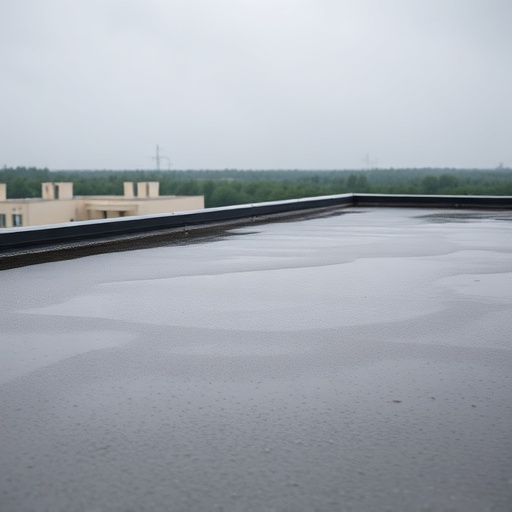
In southern Arizona, flat roofs are both functional and aesthetic elements of local architecture, serving as protective barriers against the harsh sun and monsoon rains. However, maintaining these roofs presents a unique set of challenges, from managing standing water and preventing cracks to ensuring proper drainage and addressing seasonal damage. This article provides an in-depth look at the various flat roof systems used in the Oro Valley area, from modified bitumen to TPO, focusing on their strengths, weaknesses, and specific applications. We'll also examine essential maintenance practices, including scupper and canal repair, to help homeowners and property managers make informed decisions and extend the lifespan of their roofs. By understanding these systems and their care, you'll be better equipped to navigate the unique roof requirements of southern Arizona.
- Understanding Flat Roof Basics in Southern Arizona
- Modified Bitumen: Installation, Maintenance, and Repairs
- TPO Roofing: Advantages, Installation, and Common Issues
- Scupper and Canal Repair: Best Practices for Longevity
Understanding Flat Roof Basics in Southern Arizona
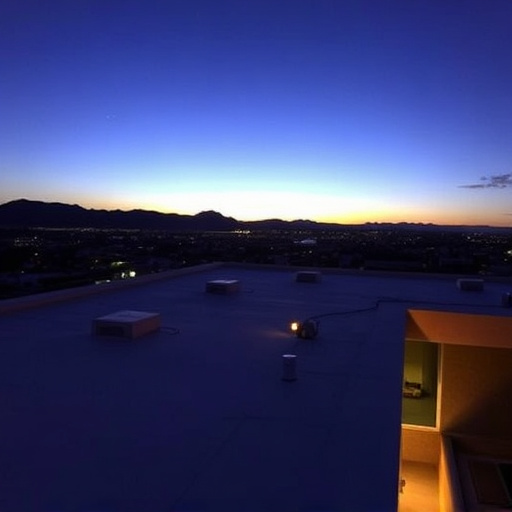
In southern Arizona, understanding the basics of flat roof systems is crucial for any homeowner or property manager. The region's unique climate, with intense summers and occasional monsoons, presents specific challenges for roofing. This environment demands durable, weather-resistant materials and meticulous maintenance strategies. Here, we examine the key aspects of flat roof systems, focusing on popular choices and their application in the Oro Valley area.
One common and reliable flat roof system is the modified bitumen membrane. This system consists of several layers, including a base sheet, a drill-woven mat, and a top coating. The mat provides structural support, while the top coating, often asphalt or rubber, offers protection against UV radiation and extreme temperatures. Modified bitumen is popular due to its affordability, ease of installation, and versatility, making it suitable for various roof designs, including those on contemporary homes and low-slope patio roofs. In fact, many local homeowners associations (HOAs) in Oro Valley and Marana approve of this system for its durability and cost-effectiveness.
Transitioning to a more advanced option, TPO (thermoplastic olefin) membranes have gained popularity for their superior performance. TPO is a single-layer membrane that offers exceptional durability, puncture resistance, and outstanding heat-welded seams. This system is highly effective at scupper and canal repair, ensuring water drainage and preventing standing water on the roof, a common issue during monsoon season. A TPO membrane's reflective properties also help reflect solar heat, reducing heat transfer into the building, which can lead to significant energy savings. A local roofer with an Arizona ROC license may recommend TPO for its longevity, especially in challenging climates.
Regular maintenance is vital for all flat roof systems. Homeowners should be aware of potential issues like cracks, splits, and membrane blisters, which can be early indicators of problems. A comprehensive maintenance plan should include periodic inspections, cleaning to remove debris and algae, and repairing scuppers and canals to ensure proper water flow. Using the right materials, such as silicone coatings, can further enhance the system's lifespan. A reflective silicone coating can add an extra layer of protection against UV damage, extending the life of the membrane.
Modified Bitumen: Installation, Maintenance, and Repairs
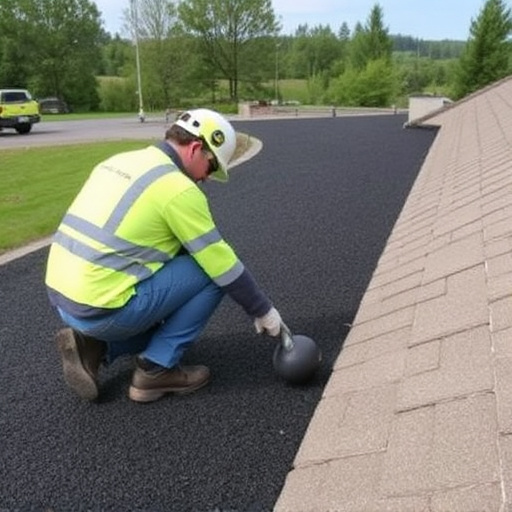
In southern Arizona, modified bitumen (MB) roofing systems have proven their durability and cost-effectiveness for flat roofs. Installation typically involves laying a layer of asphalt felts over the deck, followed by a bitumen-infused, fiber-reinforced sheet. A final protective topping, often a silicone coating, is applied to safeguard against ultraviolet degradation. This system is particularly well-suited for the region's climate, offering superior heat resistance and a long lifespan, often exceeding 20 years with proper maintenance.
Maintenance and repairs are key to preserving the integrity of any MB roof. Regular inspections, similar to those conducted by a roofer with an Arizona ROC license, are crucial for identifying potential issues like cracks, splits, or blisters in the membrane. Scupper and canal repairs are common tasks, as these openings for drainage must be clear and functional to prevent standing water, a major cause of roof damage. For minor issues, applicators can use specialized materials to patch and repair, extending the life of the system. In cases of more extensive damage, such as failure at seams or due to heavy debris, a complete membrane replacement may be necessary, often involving the removal of the old system and installation of a new TPO (thermoplastic olefin) membrane.
TPO membranes, known for their excellent puncture resistance and reflectivity, offer a viable alternative to MB. They are often chosen for their ability to handle extreme temperatures and provide superior insulation, reducing energy costs. Built-up roofing, a traditional method involving multiple layers of bitumen and reinforcement, is another option, though less common for flat roofs today. When considering repairs or replacements, homeowners and building managers should consult with local experts to determine the most suitable system for their specific needs, taking into account factors like budget, climate, and the structural integrity of the existing deck.
TPO Roofing: Advantages, Installation, and Common Issues
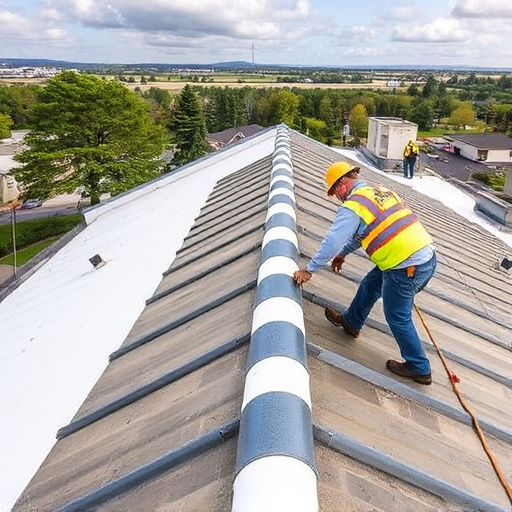
In southern Arizona, particularly in Oro Valley, flat roof systems must withstand a unique set of challenges, from intense sunlight to seasonal monsoons. Among the popular options, TPO (thermoplastic olefin) roofing has gained a strong following for its durability and versatility. TPO offers a number of advantages, including excellent heat resistance, superior flexibility, and a long lifespan, making it a preferred choice for both residential and commercial properties. Its seamless, single-ply design eliminates the need for multiple layers, simplifying installation and reducing potential points of failure.
TPO installation involves a detailed process that requires skilled hands. A licensed Oro Valley area roofing contractor will begin by preparing the roof surface, ensuring it's clean, dry, and free of any debris. Then, a specialized adhesive is applied to bond the TPO membrane directly to the deck. This direct attachment eliminates the need for underlayment, streamlining the installation process and minimizing potential water intrusion points. Once the TPO is in place, scuppers and drains are strategically installed to manage water runoff, a critical aspect of any roof system, especially in Oro Valley's desert climate. Proper scupper and canal repair is essential for maintaining the roof's integrity, preventing water damage, and ensuring the longevity of the TPO system.
Despite its many benefits, TPO roofing is not without its challenges. One common issue is the potential for membrane blisters, which can form due to thermal expansion or underlying moisture problems. To mitigate this, a robust system of roof drains and adequate ventilation should be incorporated. While TPO is highly resistant to UV damage, the elastomeric coating can degrade over time, requiring periodic replacement to maintain the roof's protective barrier. For territorial style homes, where flat roofs are common, a well-designed flat roof maintenance plan should include regular inspections, addressing issues like standing water, cracks, and splits promptly to prevent more severe damage. A proactive approach to flat roof care, including seasonal checkups, can help extend the life of the system and save homeowners significant expenses in the long run.
Scupper and Canal Repair: Best Practices for Longevity
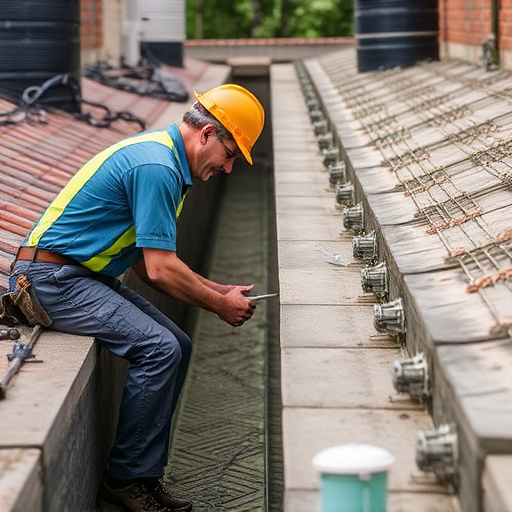
In southern Arizona, where the climate presents unique challenges, ensuring the longevity of your flat roof requires careful consideration of scupper and canal repair methods. These essential components, designed to manage water flow, are particularly vulnerable to damage from intense sunlight, wind, and the region's occasional monsoons. When scuppers and canals fail, it can lead to significant structural and cosmetic issues, underscoring the importance of proper repair techniques.
DC Roofing of Arizona, a licensed Oro Valley area roofing contractor, recommends a proactive approach to scupper and canal repair. The process begins with a thorough inspection to identify the root cause of any leaks or water damage. Often, debris accumulation or blockages in the drains can mimic a structural failure. Once the issue is pinpointed, the contractor can choose the most effective repair method. For minor cracks or damage, a specialized sealant or a quick roll roofing patch may suffice. However, for more extensive repairs, replacing the affected sections of canal or scupper is crucial. This involves removing the old, damaged material, ensuring proper pitch for water drainage, and installing new coping and canals that align with the building's design and slope.
When repairing or replacing, it's essential to consider the roof's overall design and the integration of rooftop HVAC curbs. Proper alignment ensures water flows smoothly, preventing future damage. Using reflective coatings on the repair areas can enhance the roof's energy efficiency by reflecting sunlight, a valuable benefit in southern Arizona's hot climate. Regular seasonal checkups, including examining scuppers and canals, are also vital to catch potential issues early. This proactive approach, combined with the expertise of a local roofing specialist like DC Roofing of Arizona, can extend the life of your flat roof, ensuring it remains a functional and aesthetically pleasing feature of your Oro Valley home or commercial property.
Preventive measures, such as regular cleaning to remove debris and ensuring proper insulation, further strengthen the roof against scupper and canal failures. By following these best practices, homeowners and property managers can mitigate the risk of costly repairs and ensure the structural integrity of their flat roofs for years to come.
Frequently Asked Questions About an Explainer on the Flat Roof Systems Used in Southern Arizona, from Modified Bitumen to TPO
What are the main types of flat roof systems used in southern Arizona?
In southern Arizona, several flat roof systems are prevalent due to the region's climate and building codes. The most common include modified bitumen (MB), TPO (thermoplastic polyolefin), EPDM (ethylene propylene diene monomer), and PVC (polyvinyl chloride). DC Roofing of Arizona, a licensed Oro Valley area roofing contractor, often recommends MB and TPO for their durability, cost-effectiveness, and suitability for the local conditions, including potential weather extremes.
How do modified bitumen (MB) roofs differ from TPO roofs?
MB and TPO are both single-ply roofing membranes, but they have distinct characteristics. MB consists of a modified asphalt with a fiber-reinforced top layer, offering excellent puncture resistance. TPO, on the other hand, is a fully synthetic material, known for its superior flexibility, UV resistance, and long lifespan, making it suitable for both commercial and residential properties in the region. A local roofing company serving Oro Valley and Marana might choose MB for its ease of installation and TPO for its advanced weatherproofing capabilities.
What are the advantages of TPO roofs?
TPO roofs have gained popularity in southern Arizona due to their numerous advantages. They are highly versatile, suitable for various building shapes and designs. TPO is also environmentally friendly, as it is made from recycled materials and has a lower environmental impact compared to other roofing options. TPO roofs offer excellent thermal insulation, helping to maintain a comfortable indoor temperature, which is crucial in the region's hot climate.
Are TPO roofs suitable for all types of buildings?
While TPO roofs are highly versatile, their suitability depends on various factors. They are particularly well-suited for commercial buildings, as they can handle high traffic areas and provide excellent resistance against punctures and tears. TPO's ability to conform to complex shapes makes it ideal for buildings with unique architectural designs. However, for residential properties, other systems like MB might be more cost-effective and preferred.
How long do TPO roofs typically last?
The lifespan of a TPO roof can vary, but it is generally expected to last between 15 to 25 years, often with minimal maintenance. This longevity is one of the primary reasons why TPO is a preferred choice for many roofing contractors in Arizona. A proper installation, along with regular inspection and maintenance, can further extend the life of a TPO roof.
What factors should be considered when choosing between MB and TPO?
The choice between MB and TPO depends on specific project needs. MB is cost-effective and easy to install, making it suitable for budget-conscious projects. TPO, however, offers superior weather resistance and a longer lifespan, making it a better option for properties in areas with extreme weather conditions. A roofer with an Arizona ROC license will assess factors like building design, budget, and climate to recommend the most suitable system.
In southern Arizona, understanding the diverse flat roof systems is key to maintaining and repairing these structures effectively. From modified bitumen, known for its durability and versatility, to TPO (thermoplastic polyolefin) roofing, each system offers unique advantages and challenges. Proper installation and regular maintenance, including addressing scupper and canal issues, are crucial for longevity. By prioritizing these key aspects, homeowners and property managers can ensure their flat roofs provide years of reliable protection against the region's distinct weather conditions. This article has highlighted the importance of informed decisions when selecting, maintaining, and repairing flat roof systems, with a particular focus on scupper and canal repair for optimal performance.
In southern Arizona, flat roof systems must withstand intense sun, occasional monsoons, and extreme temperatures. Two popular choices are modified bitumen (MB), known for affordability and ease of installation, and TPO (thermoplastic olefin), prized for its superior durability, puncture resistance, and reflectivity. Both require regular maintenance, including scupper and canal repairs to manage water flow. MB repairs involve patching or replacing membranes, while TPO repairs focus on eliminating blisters and maintaining protective coatings. Proactive maintenance, seasonal inspections, and consultation with local experts ensure the longevity and efficiency of these systems in challenging climates.