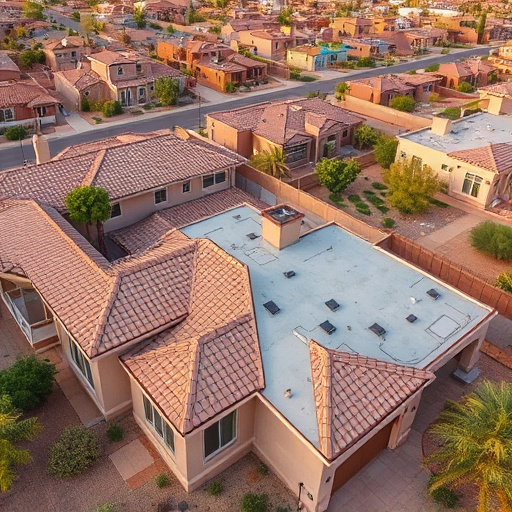
Flat roofs are a common sight in Oro Valley, but their maintenance requires a strategic approach, especially during the intense summer heat and monsoon season. This environment presents unique challenges, from intense UV radiation causing membrane degradation to heavy rainfall testing the integrity of the system. Standing water, cracks, and leaks are common issues, exacerbated by debris and roof drains that can be easily overlooked. This article provides a practical guide to flat roof upkeep, offering practical advice on everything from seasonal checkups to the latest in reflective coatings and drainage solutions, ensuring your roof remains a reliable shield against Arizona's weather.
- Inspect for Damage After Monsoon Season
- Clear Debris, Protect Against Clogged Drains
- Maintain Ventilation for Heat Mitigation
- Regular Cleaning Extends Flat Roof Lifespan
Inspect for Damage After Monsoon Season
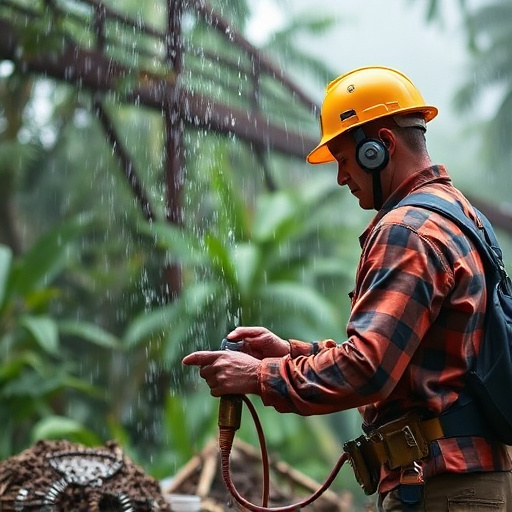
After the intense heat and heavy rainfall of the monsoon season, it's crucial to inspect your flat roof for any damage that might have occurred. This is a critical step in maintaining the longevity and integrity of your roof. Debris and roof drains play a vital role in this process, as they can indicate potential issues like leaks or blockages.
Start by clearing all debris from the roof, including leaves, branches, and any other foreign objects. This is not only a safety precaution but also ensures that you can accurately assess the condition of your roof. Once cleared, examine the scuppers and built-up roofing materials for any signs of damage. Scuppers, those small openings designed to direct water away from the roof, can become blocked by debris, leading to water pooling and potential leakage. Built-up roofing, a common flat roof material, is composed of multiple layers and can be susceptible to cracks and seams failing if not properly maintained.
Pay close attention to modified bitumen sheets, which are often used on flat roofs. These sheets are made up of multiple plies of felt and asphalt, and they can become vulnerable to damage from heavy rain and strong winds. Look for any tears, holes, or blisters that may have formed. These defects can allow water penetration, leading to internal damage and potentially costly repairs. A licensed Arizona roofer recommends inspecting the membrane's integrity, especially in areas with higher foot traffic, as these areas may show signs of wear and tear faster.
During this inspection, also check the roof drains and downspouts for any clogs or leaks. Ensure that water is flowing freely away from the building, as proper drainage is essential to prevent water damage to your home or business. Regular maintenance, including cleaning and inspecting these systems, can help prevent more serious issues from arising. A well-maintained drain system can stop the accumulation of standing water, which is a common problem during monsoon seasons, and reduce the risk of leaks and mold growth.
Clear Debris, Protect Against Clogged Drains
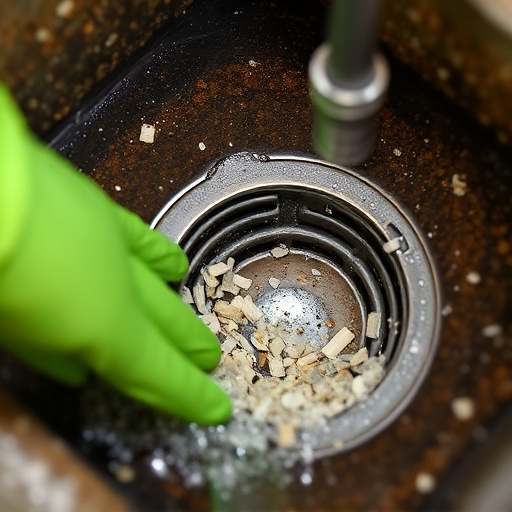
Maintaining a flat roof through the intense summer heat and monsoon rains of Oro Valley requires proactive measures to prevent common issues. One often-overlooked aspect of flat roof upkeep is the regular clearing of debris and ensuring proper roof drain functionality. These simple yet critical tasks can prevent significant problems, including clogged drains and standing water, which can lead to leaks and damage, especially during heavy rainfall events.
Debris such as leaves, branches, and bird nests can accumulate on flat roofs, blocking scuppers and coping, the roof's drainage system. Oro Valley's frequent monsoon storms underscore the importance of keeping these areas clear. A licensed Oro Valley area roofing contractor recommends periodic inspections to identify and remove any debris buildup. This proactive measure not only ensures optimal drainage but also helps to extend the lifespan of the roof membrane by preventing it from being punctured or damaged by heavy debris.
Regular cleaning and maintenance of roof drains are essential, especially for older roofs or those with historical elements, like Pueblo Revival homes, common in the area. Clogged drains can cause water to pool on the roof, leading to various issues, from mold growth to structural damage. Property owners should be vigilant in checking for debris and ensuring smooth flow of water. This includes inspecting parapet coping and scuppers for any blockages and clearing them as needed. After a particularly windy storm, a thorough review of the roof's drainage system can prevent post-storm flooding.
To routine cleaning, property owners should consider the type of roofing material and its compatibility with drainage systems. Some materials may require specific cleaning methods or coatings to enhance water repellency and prevent debris adhesion. Consulting with a roofing expert can help determine the best course of action for maintaining a flat roof in the demanding Oro Valley climate, ensuring that debris and roof drains are managed effectively.
Maintain Ventilation for Heat Mitigation
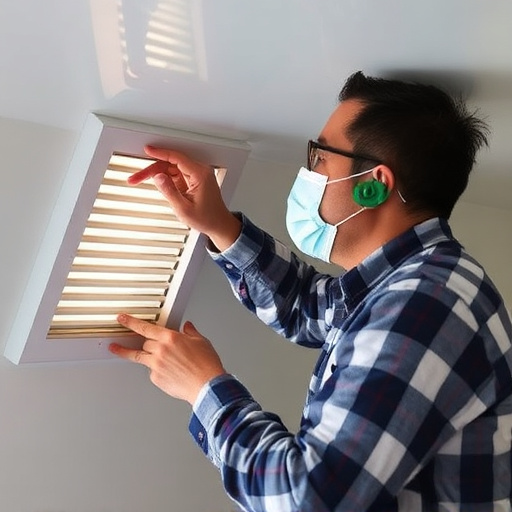
Maintaining adequate ventilation is a crucial yet often overlooked aspect of flat roof upkeep, especially in the face of Arizona's scorching summers and intense monsoon seasons. As temperatures soar, so does the risk of heat-related damage to roofs. This is where proper ventilation comes into play, helping to regulate roof temperatures, mitigate moisture buildup, and prevent a host of issues.
One effective method to enhance ventilation is through the strategic placement of roof vents. These vents allow hot air to escape, drawing in cooler, moist air from below. It's like opening windows on a hot day to let out the heat. A licensed Arizona roofer may recommend installing venting systems that utilize thermal expansion and contraction to ensure optimal airflow. This is particularly important in flat roofs, where the lack of slope can trap hot air and humidity, leading to the growth of crickets and other pests, as well as the formation of blisters and cracks. Regular inspection and cleaning of these vents, along with removing any debris and roof drains blocking airflow, are essential for maintaining a well-ventilated roof.
Silicone coatings have also gained popularity for their ability to seal and protect roof membranes while allowing for some degree of ventilation. These coatings can be applied to existing roofs to prevent heat damage and water intrusion. By reflecting heat and UV rays, they help maintain a cooler roof surface, reducing the overall heat load on the building below. A local roofing company serving Oro Valley might recommend a silicone coating as a cost-effective solution for heat mitigation, especially in combination with proper ventilation systems. This proactive approach to flat roof maintenance not only extends the life of the roof but also ensures the comfort and energy efficiency of the building during Arizona's extreme weather conditions.
Regular Cleaning Extends Flat Roof Lifespan
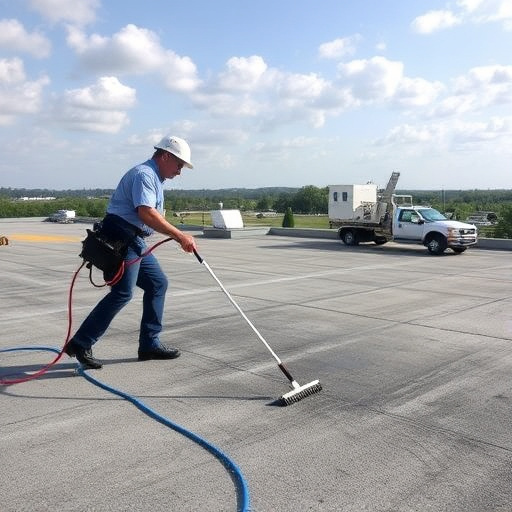
Regular cleaning is a key component of flat roof upkeep, especially in climates like Oro Valley's, where intense summer heat and monsoon rain can take a toll on roofing materials. A local roofing company serving Oro Valley recommends a comprehensive cleaning regimen to extend the lifespan of your flat roof, mitigate damage from debris and roof drains, and prevent costly repairs.
The first step in this process involves a thorough inspection to identify any buildup of dirt, dust, or even vegetation on the roof surface. Once identified, these debris can be safely removed using specialized equipment like high-pressure washers. This step is crucial because debris accumulation can block drainage systems, leading to standing water and potential leaks. Heavy monsoon rains can wash away protective coatings, accelerating the roof's deterioration.
Following the initial cleaning, consider applying a protective coating, such as spray polyurethane foam (SPF). SPF not only provides an extra layer of insulation against the intense summer heat but also serves as a barrier against moisture intrusion. This measure, combined with regular cleaning, can significantly delay the need for major repairs or even a complete roof replacement. Regular seasonal checkups, along with prompt attention to any issues like cracks or splits in the roof membrane, are essential for maintaining a sound flat roof.
A well-maintained flat roof with proper cleaning and protective coatings can last 20 to 30 years, whereas neglected roofs may require replacement as early as 15 years. By integrating these maintenance practices, homeowners can ensure their roofs remain in top condition, protecting their investment and safeguarding their homes from the elements, including Oro Valley's monsoon rain.
Frequently Asked Questions About advice on flat roof upkeep through summer heat and monsoon rain
What are the key challenges of maintaining a flat roof in the summer heat?
Summer presents several challenges for flat roofs. Extreme heat can cause materials to expand and contract, putting stress on the roof's structure. The intense sunlight can degrade the roofing membrane and other materials over time. Regular inspection is crucial to identify any signs of damage, such as blisters, cracks, or loosened areas, especially around fixtures and flashing. Using reflective coatings or shading devices can help mitigate the heat load, but they need to be properly installed and maintained.
How do monsoon rains impact a flat roof?
Monsoon rains, while beneficial for the overall environment, can be demanding on flat roofs. Rapid changes in temperature, from hot to cool, coupled with intense downpours, can lead to several issues. The force of heavy rainfall can cause leaks, especially if there's any previous damage or poor drainage. Strong winds during monsoons can also blow debris onto the roof, potentially causing punctures or further damage. Regular cleaning and maintenance, including cleaning gutters and downspouts, are essential to prevent water damage and ensure the roof's longevity.
What materials are best suited for flat roofs in this region?
In Oro Valley and surrounding areas, a licensed roofer typically recommends durable, weather-resistant materials that can handle both heat and rain. Metal roofing is a popular choice due to its reflectivity, which reduces heat absorption, and its longevity. Flat roof membranes, such as TPO (Thermoplastic Polyolefin) and EPDM (Ethylene Propylene Diene Monomer), are also suitable. These materials offer excellent resistance to extreme temperatures and are designed for flat or low-slope roofs.
How often should I inspect my flat roof?
It's advisable to have a professional inspection at least twice a year, once before the monsoon season begins and once after it ends. Regular inspections can help catch small problems early, preventing them from turning into costly repairs. During these visits, the contractor should also perform basic maintenance, such as cleaning and sealing, to ensure the roof remains in good condition.
What should I do if I notice a leak in my flat roof?
If you spot a leak, it's crucial to act promptly. First, try to locate the source of the leak, which could be caused by various factors, including damaged or missing shingles, flashing issues, or blocked drains. Then, contact a reliable roofer with an Arizona ROC license as soon as possible. They can assess the damage and provide a solution, which might range from a simple repair to a complete roof replacement, depending on the extent of the damage.
How can I extend the lifespan of my flat roof?
Extending the lifespan of your flat roof involves regular care and maintenance. This includes cleaning to remove debris and algae buildup, sealing to prevent leaks, and checking for damage during inspections. Ensuring proper drainage by cleaning gutters and downspouts is vital. Using reflective coatings or shading devices can also help reduce heat absorption, while a professional repair or replacement when necessary ensures the roof remains in top condition.
As summer heat and monsoon rain can take a significant toll on flat roofs, regular upkeep is crucial to ensure their longevity and structural integrity. This article has provided practical insights into various aspects of flat roof maintenance, all tailored to the specific challenges of Oro Valley's climate. Key takeaways include the importance of meticulous post-monsoon inspections to identify damage and address issues such as standing water, cracks, and splits. Clearing debris and maintaining proper drainage systems, like roof drains and scuppers, is vital to prevent clogs and water damage. Adequate ventilation for heat mitigation, along with regular cleaning, will extend the lifespan of your flat roof and help avoid costly repairs. By following these recommendations, homeowners and property managers can effectively manage their flat roofs, ensuring they remain a reliable and low-maintenance asset throughout the year.
Flat Roof Maintenance in Oro Valley: A Practical guide
Regular, thorough inspections and cleaning are vital for maintaining a flat roof through intense summer heat and monsoon rains. Key focus areas include:
- Debris Removal: Clear roofs of leaves, branches, and other debris to prevent drainage issues and potential leaks.
- Roof Drain & Scupper Care: Ensure proper drainage by clearing blockages and inspecting scuppers and coping for damage.
- Ventilation Management: Implement strategic roof vent placement and consider silicone coatings to mitigate heat damage.
- Regular Cleaning & Coatings: Implement seasonal cleaning and apply protective coatings like SPF to extend roof lifespan.
By addressing these aspects, homeowners can protect their investments, safeguard their properties, and ensure long-lasting, reliable flat roofs in Oro Valley's challenging climate.